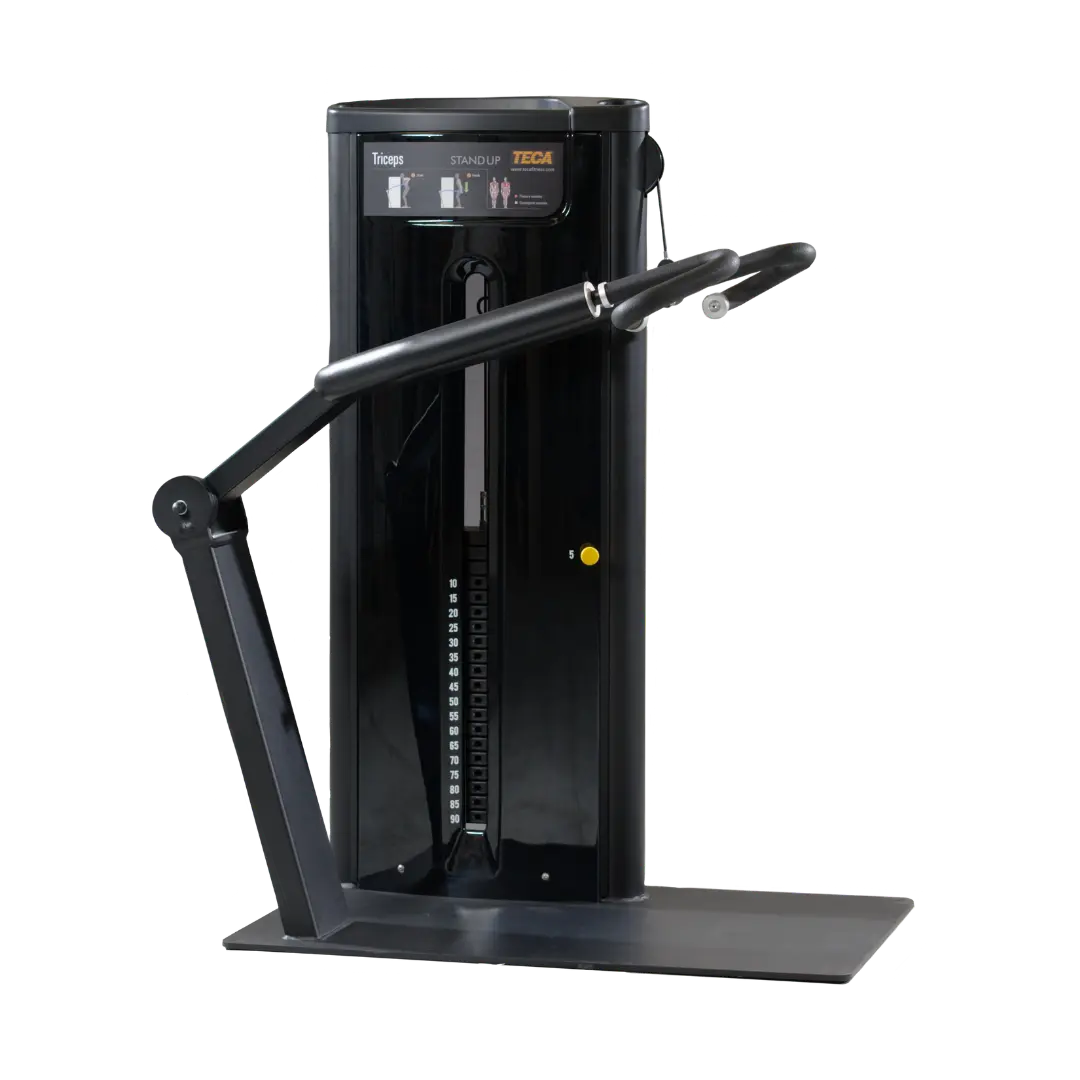
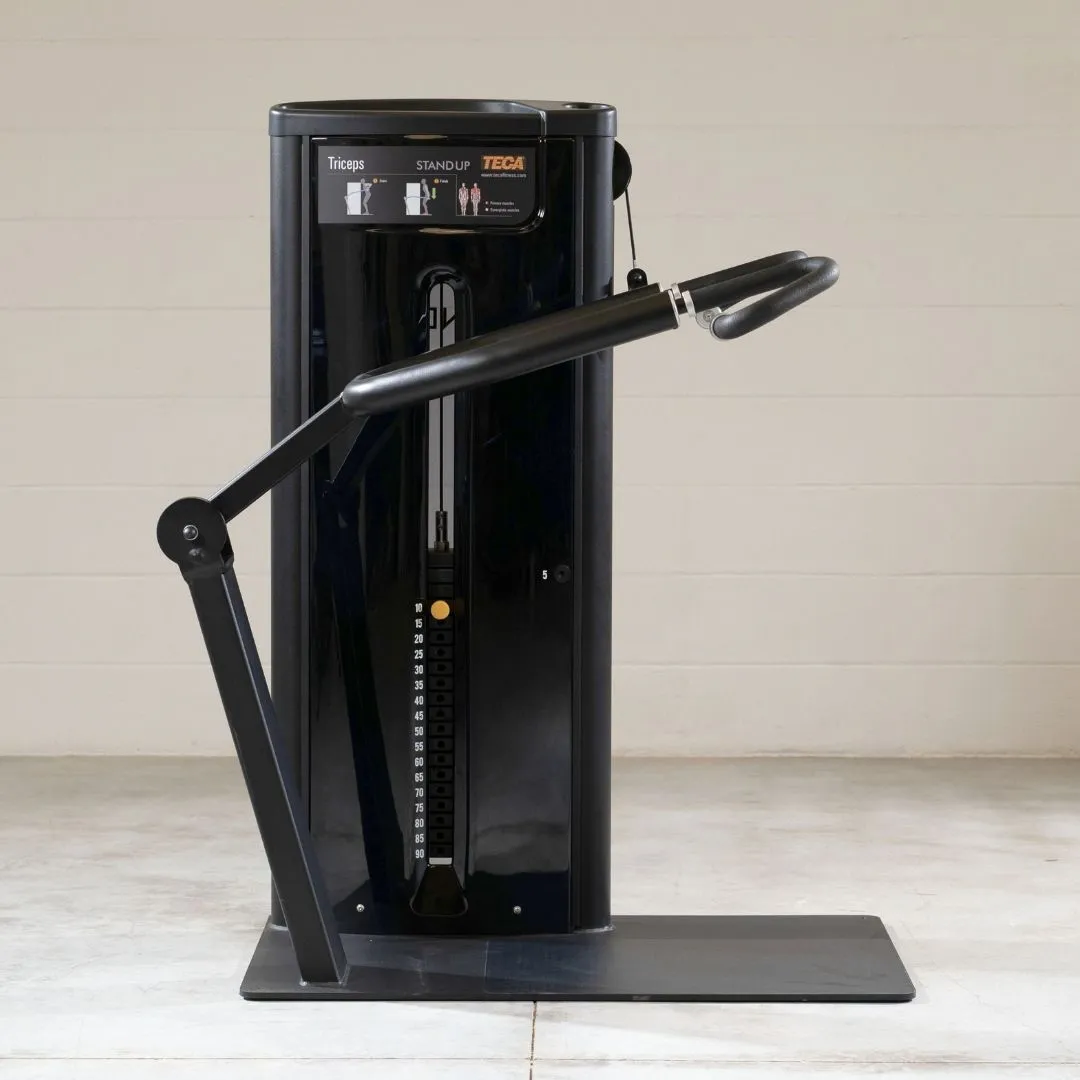
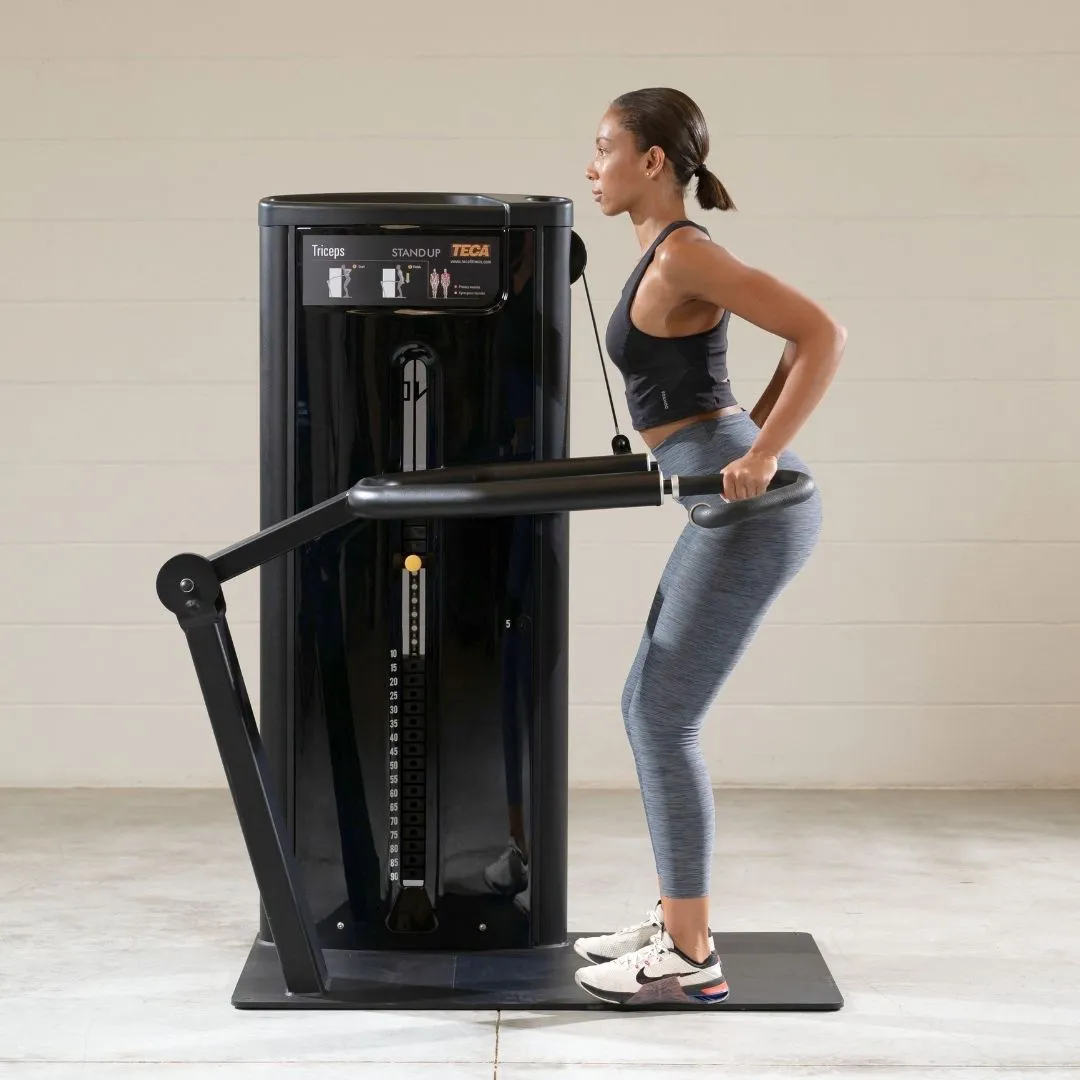
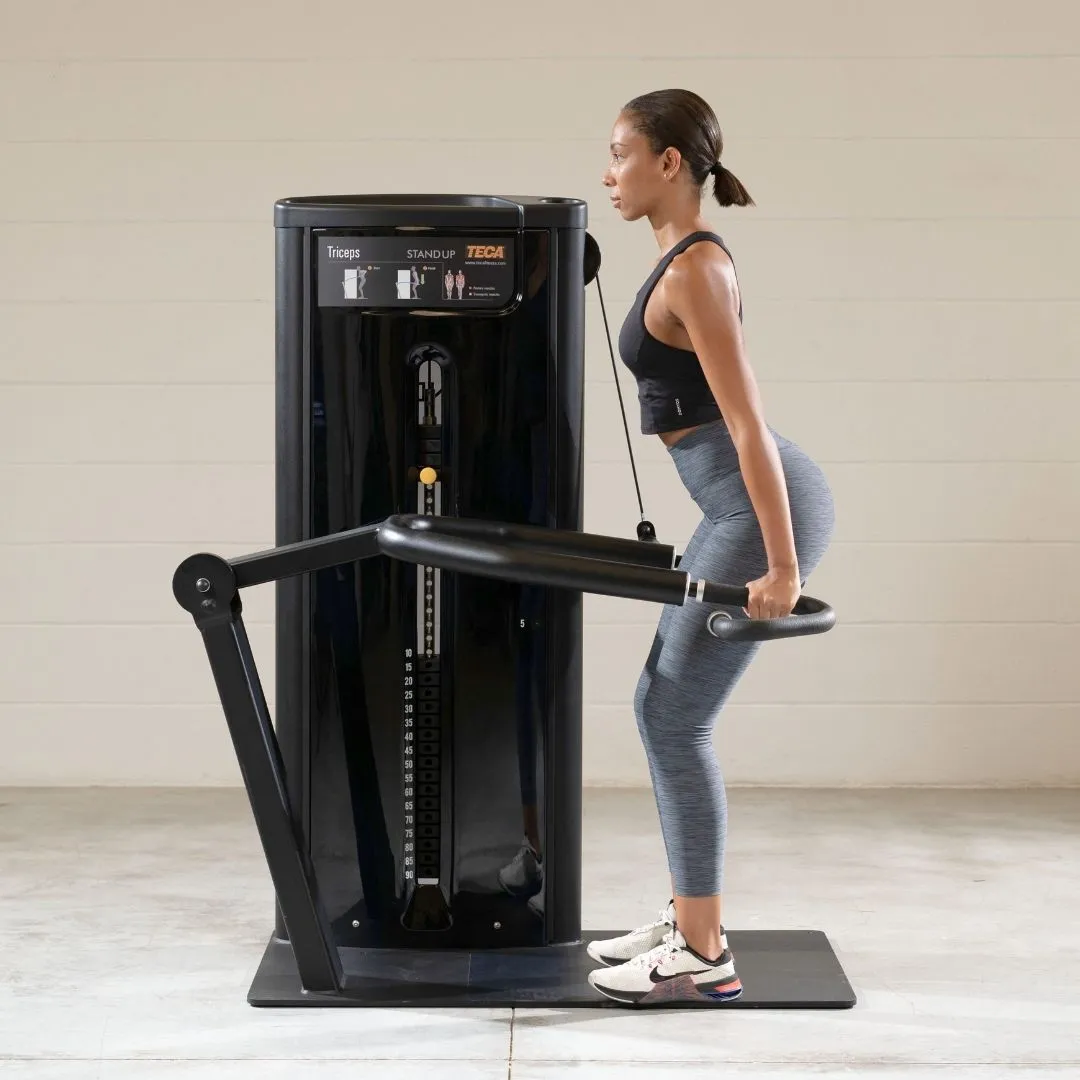
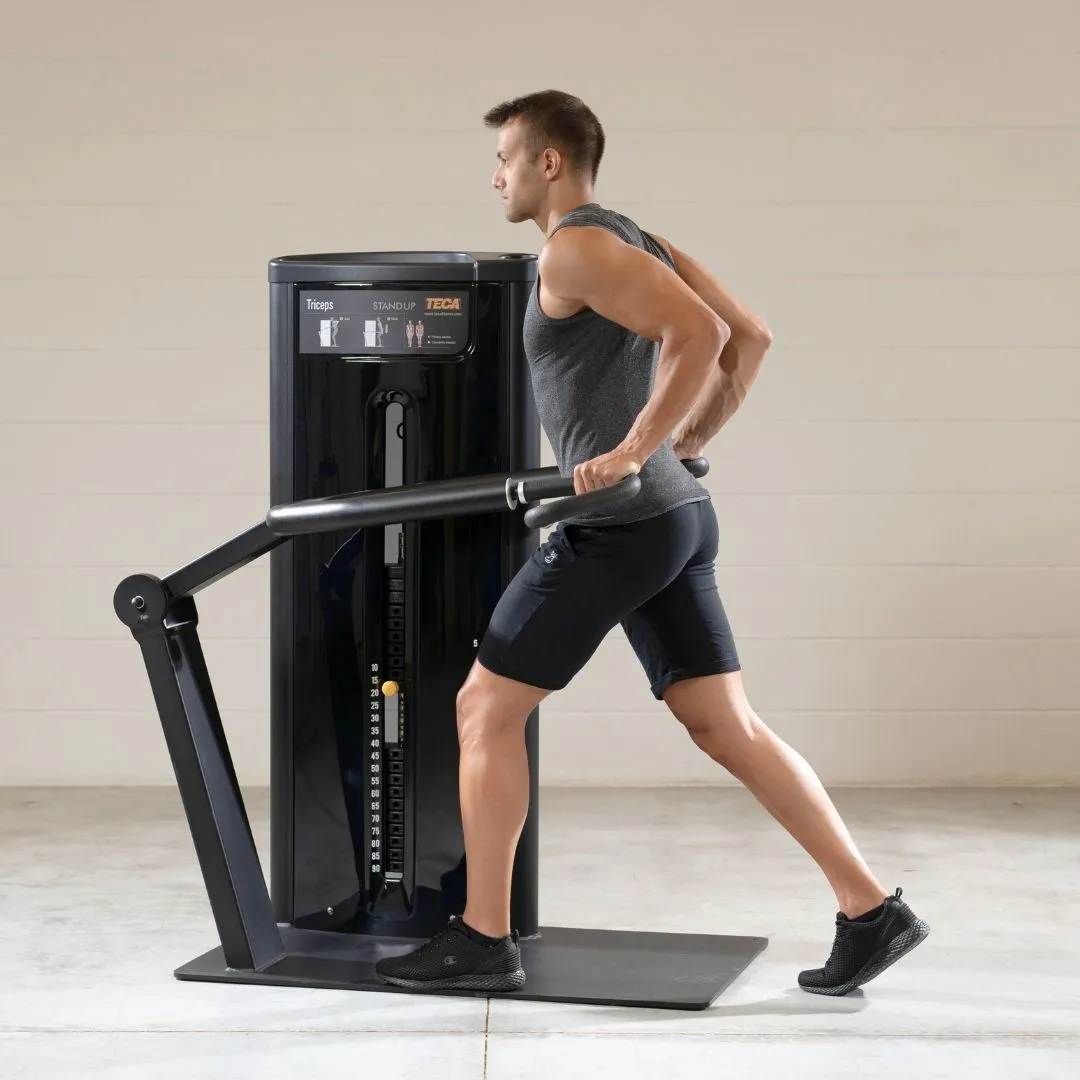
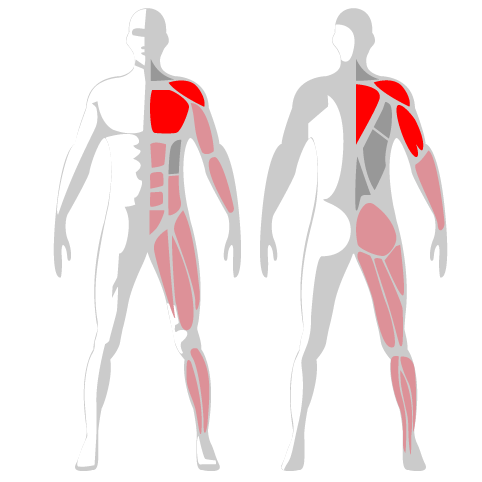
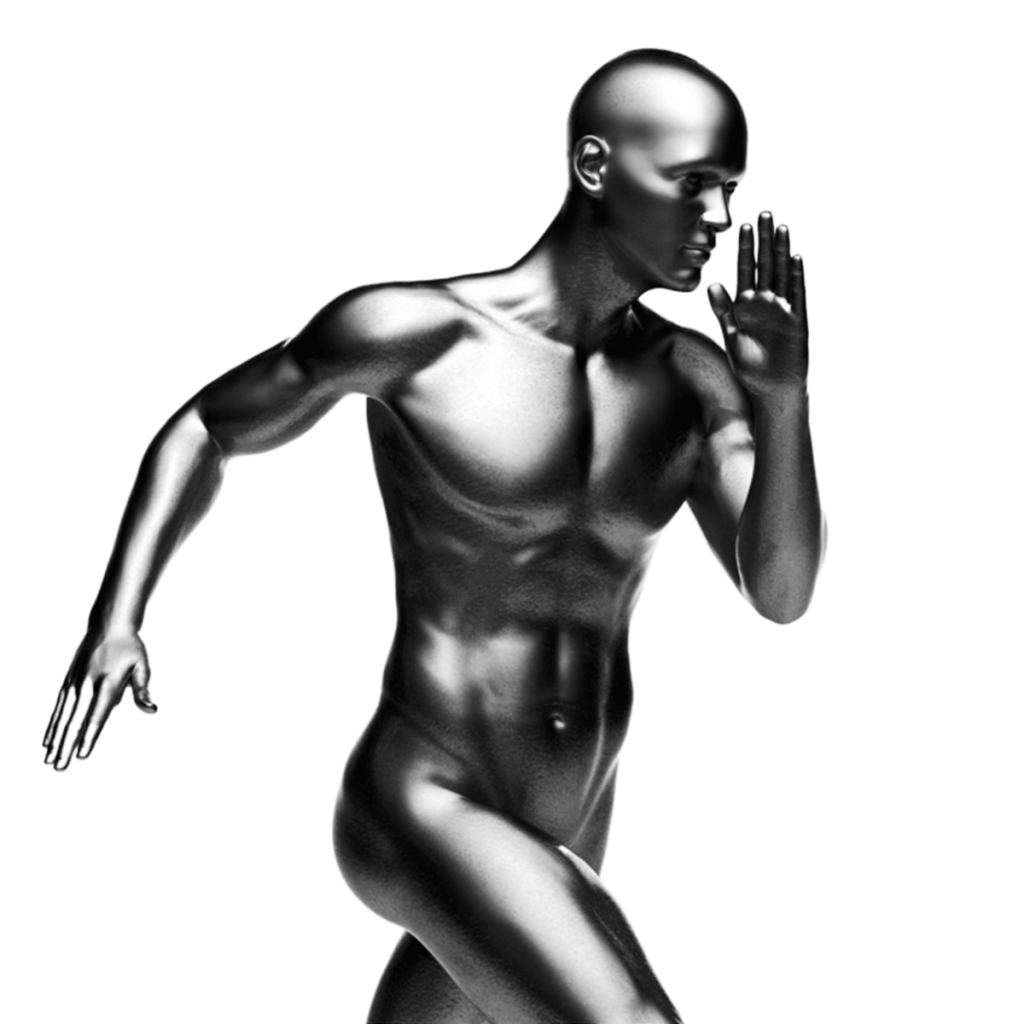
Triceps StandUp brings triceps work into a standing position, where the pelvis–spine–scapula alignment is more natural and cervical/lumbar compensations drop sharply. The user doesn’t have to “figure out the machine”: step in, grip, press. The self-organizing posture cuts the typical seated-press errors (pinched shoulders, spinal hyperextension, lost tension at lockout), while the vertical path makes the triceps pop immediately without “biomechanical noise.” That lowers the entry barrier and turns a commonly dreaded exercise into an intuitive, rewarding pattern.
For the club this means higher rotations, less floor instruction time, and a distinctive experience that elevates the StandUp area from a simple arm zone to a technological brand signature. An implement that works on the first try generates more passes per hour, stabilizes traffic, and strengthens premium positioning—fertile ground for price upgrades and coaching packages.
The standing position removes much of what keeps these groups away: no fiddly setups, fewer neck/shoulder irritations, and a stronger sense of control. Women and beginners quickly find a safe, “clean” pattern; seniors can train with progressive ROM without deep seats or awkward positions. With fewer rigid constraints, the body feels free yet guided: the learning curve shortens and adherence rises. Operationally, widening the active base has two immediate effects: more daily uses per machine and more continuity over time (retention). When a tool works for many, doesn’t “hog” instructors, and doesn’t intimidate novices, it becomes a quiet multiplier of satisfaction and renewals—directly lifting ARPU and lifetime value.
It’s an ideal platform for high-value protocols: coaches can modulate time under tension, lockout isometrics, controlled negatives, unilateral symmetry work, and “gentle” progressions for fragile users—without constantly fixing posture every set. The client feels the triceps immediately (reward sensation), sees quick progress, and credits the outcome to the “coach + machine” combo, raising willingness to purchase PT cycles.
With dedicated formats (6–8-week Toned Arms, Upper Aesthetic, Shoulder Posture), Triceps StandUp makes expertise visible and delivery repeatable: less time spent on fixes, more time on actual coaching. Net effect: higher ticket per session, better PT hour utilization, and a steady upsell pipeline from floor to studio.
Yes—setup is lightning-fast and corrections are minimal. In 3–6 person classes, trainers can run short, tightly controlled rounds (EMOM/EDT/light clusters), scaling load and ROM without losing rhythm. The standing position enables quick transitions to other StandUp tools (rowing, traction) for upper-body mini-circuits that pack 30 minutes with a high sense of quality.
Financially, small groups yield better margins than 1:1 when the machine doesn’t require technical babysitting. Here, instruction is embedded in the design: more people served per slot, high perceived value, staff cost diluted. Result: more revenue per operating minute and replicable schedule formats (Arms Focus StandUp, Upper Express 30’), with the stickiness typical of iconic classes.
A well-staged StandUp area is a pricing argument: it signals innovation, biomechanical care, and an experience members recognize as “different” on first try. Triceps StandUp contributes to that frame: high usability, clear sensations, photogenic vertical aesthetics. This legitimizes higher tiers (Plus/Elite), encourages upgrades to annuals, and supports bolder list pricing without increasing fixed costs.
There’s also the indirect effect: more perceived results → less churn → more full-price renewals. When arm work doesn’t cause discomfort and delivers visible tone, people stay. A machine that makes it easy to produce an “before/after” on arms also makes it easier to defend a higher average ticket.